Leopoldo Chiari

Leopoldo Chiari, professor and holder of the chair of Theoretical Surgery and Obstetrics at the Royal University of Naples, 'defined Prince of Surgeons', was born in Ripacandida on 13 October 1790. He was one of the forerunners of modern surgery and inventor of several surgical instruments.

He studied at the seminary in Melfi where, thanks also to the instruction he received from the priest Tobia, he learned Latin so well that he spoke it correctly, while with the help of Canon Jazzi he learned Greek, French and English. In 1812, against his family's wishes, he abandoned his ecclesiastical career and moved to Naples where, thanks to his skills, he entered the famous Collegio Medico Cerusico attached to the Incurabili Hospital.

An eminent figure in medicine and one of the most illustrious sons of Basilicata, he was a meritorious member of the Royal Medical-Surgical Academy, to which he presented the proposal of the bilateral perinal method in lithotomy suitable for large stones, and the invention of the gorgeret. He directed the Anatomo-pathological Cabinet of the "Incurabili" hospital. His main invention was the "Ciappola or susta compressiva for ligating arteries in aneurysms". He invented the inclined plane machine for fracturing the femur with the screw that can be gradually lengthened, the apparatus for fracturing the clavicle and the apparatus for fracturing the patella.

He studied

Sincerely mourned as a citizen and as a clinician, the town of his birth years later, in his memory, placed a plaque on the facade of the Ducal Palace, where these words dictated by Senator Giustino Fortunatowere carved: The Memory of Leopoldo Chiari, honour and glory of the Neapolitan School of Medicine - Ceramics / Naples


Renato Spicciarelli, university professor, is one of the leading experts in Vulture. He has been studying the complex biology of the Brahmaea europaea moth for many years. In 1997 for the first time he observed his caterpillars in nature, since then he has codified their very particular behaviors in the extraordinary habitat of Grotticelle d'Ofanto. In the past, as manager, he coordinated a working group within the Natura 2000 network program for the SIC areas (Sites of Community Importance) Monte Vulture, Monte Paratiello and Grotticelle di Monticchio.

His is more than a story. It is a multiform itinerary on the life of the ancient volcano and its extraordinary environments that unfolds variously through the eyes of the scholar. The Vulture is outlined from its origins by paying attention to the influence it had on the surrounding area, helping to draw the landscape and to define its peculiarities: the magnificent mountain thus appears in all its complexity and beauty.


An island named after a vulture

An island named after a vulture

An island named after a vulture

The Vulture rises imposingly, isolated as it is between the plains.

The ancient mountain, dear to the Latin poet Horace, is a volcano. From the time of its formation, some 750,000 years ago, it has been the undisputed leader in geographical, botanical, zoological and anthropological events in the surrounding natural environment.

Since its last eruption, 125,000 years ago, the living landscape has been slowly but steadily developing, through glaciations and a fascinating natural and human history. One exceptional witness is a butterfly, a Miocene relict, a living fossil: the European Bramea, which still exists after millions of years in its ancient habitat in a small wood in Vulture.

The entire massif is included in the National Inventory of Geosites. Its collapsed caldera, completely reforested, with the two Monticchio lakes below, makes up the Zona Speciale di Conservazione (ZSC) Monte Vulture (Monte Vulture Special Area of Conservation).

Leggi tutto

The volcano: eruptive dynamics, geosites

The volcano: eruptive dynamics, geosites

The volcano: eruptive dynamics, geosites

Vulture's eruptive history began more than 700,000 years ago. It is the only Italian volcano that is located on the eastern side of the Apennine chain.

The volcanic structure has a very complex morphology.It was created through several alternating phases of construction and destruction, so its shape is not immediately recognisable as the classic volcanic cone shape. Cratering, collapse, and tectonic phases are the forces that have affected its appearance. The eruptions during its history have also been very variable: explosive, Strombolian, but also effusive and hydromagmatic.

The eruptive activity did not only take place repeatedly from a single vent (as in the case of the morphostructural form known as Vulture-San Michele), but also from multiple eruptive centres, which were often monogenetic, such as the one that gave rise to the lava flow on which the ancient town of Melfi stands, including its castle, or those that led to the formation of the lakes as we know them today.

Leggi tutto

Lakes and mineral waters

Lakes and mineral waters

Lakes and mineral waters

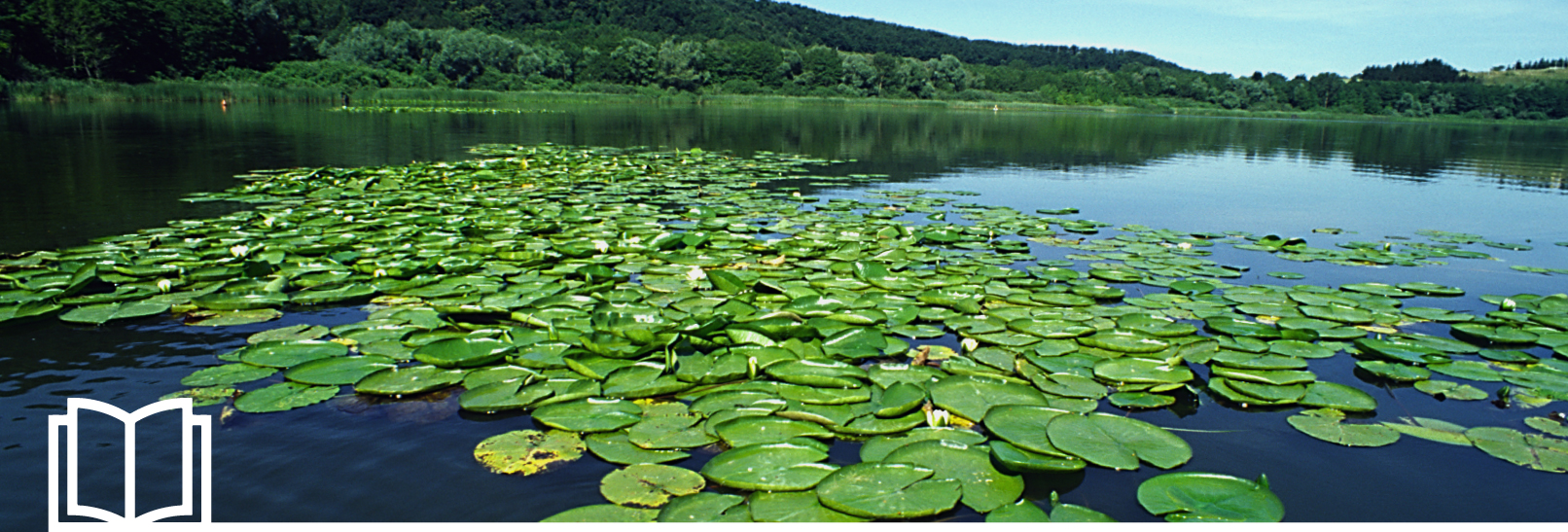
Lago Piccolo and Lago Grande di Monticchio are fed by both groundwater and rainwater. The waters of the 'Piccolo' flow into the 'Grande' through an artificial canal, while the waters of the latter reservoir, via the Torrente Laghi, flow into the Ofanto, the border between Campania and Basilicata.

The shores of the Piccolo have no beach, almost as if the forest were falling into them, while the Grande is surrounded by large areas that are often flooded, causing swamping, but also an extraordinary biodiversity.

A recent bathymetric measurement (2015) established a maximum depth of approximately 44 metres for Lago Piccolo and approximately 40 metres for Lago Grande.

The Monticchio lakes have been included in the Euromaars Project (EU), aimed at reconstructing the climatic history of the Quaternary period by analysing the sediments of several European lake basins, as well as the European Lake Drilling Project (ELDP) and the Past Global Changes (PAGES) of the International Geosphere Biosphere Programme (IGBP). For many years, the GeoForschungsZentrum (GFZ) in Potsdam (Germany) has been conducting multidisciplinary investigations into the sediments of Lago Grande.

Leggi tutto

Le sorgenti, le fontane, le cascate

Le sorgenti, le fontane, le cascate

Le sorgenti, le fontane, le cascate

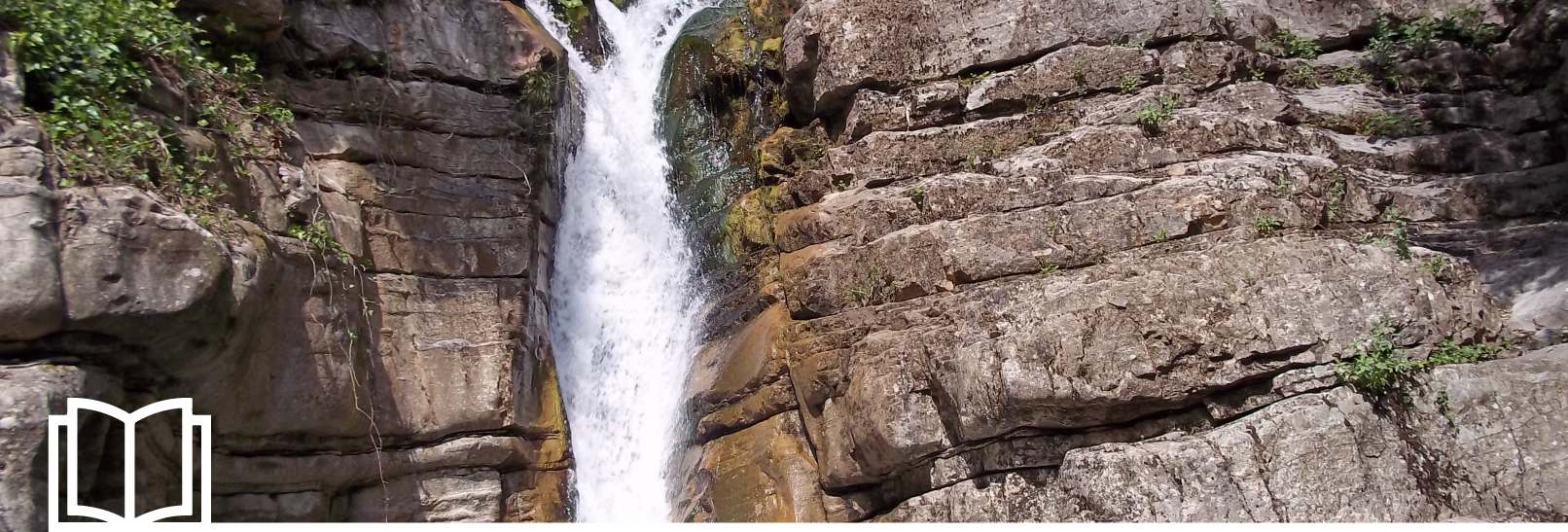
Le sorgenti vulturine si possono distinguere in due gruppi: quelle con acque poco mineralizzate e povere di CO2 e quelle con acque mineralizzate e ricche di CO2

Esse emergono su tutto il monte, da poco sotto la sommità fino alla base dell’apparato vulcanico. Hanno età molto differenti e, sebbene vi siano falde basali sovrapposte, queste sono tutte intercomunicanti a grande scala. Le piccole sorgenti d’alta quota sono invece alimentate da falde sospese.

Leggi tutto

Il paesaggio vivente

Il paesaggio vivente

Il paesaggio vivente

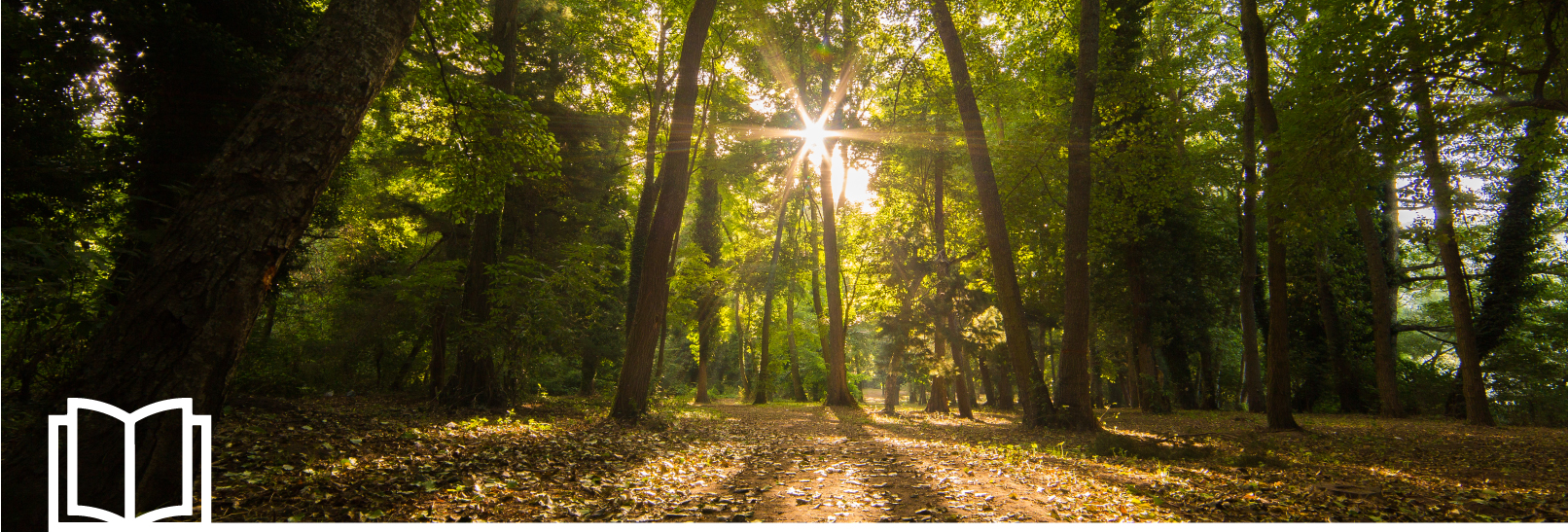
Il paesaggio del Vulture è particolarmente diversificato. 

Le sue aree naturali dimostrano un’eccezionale biodiversità oggetto di studi da parte di numerosi botanici che, nel corso tempo, si sono avvicendati tra questi boschi. Essi hanno lasciato interessanti testimonianze delle loro peregrinazioni, redigendo inventari sulla flora che ricopre questo Monte. Oggi tali studi sono di estremo significato: permettono di comprendere l’evoluzione del sito e con essa di portare alla luce i profondi cambianti che l’hanno interessato.

Leggi tutto

La flora spontanea

La flora spontanea

La flora spontanea

Nel Vulture si segnala la presenza di numerosi taxa di notevole interesse conservazionistico e biogeografico. 

Il pungitopo (Ruscus aculeatus) è inserito nella Direttiva “Habitat” 92/43/CEE. Altre specie sono protette a livello regionale dal D.P.G.R. n. 55 del 18 marzo 2005, il decreto che identifica le specie della flora regionale prioritariamente da salvaguardare e il diverso grado di protezione loro riservato, in funzione dell’attuale stato di conservazione e della loro vulnerabilità. 

Leggi tutto

The words of some of the most famous people

who visited the land of the volcano and were fascinated by it


Il presente sito si ispira alle nuove linee guida di design per i servizi web delle PA

Quest'opera è distribuita con Licenza Creative Commons Attribuzione 2.0 Italia

© parcovulture.it - All rights reserved